
Brainstorming Data Dive promotes innovative social research

.svg)
.svg)

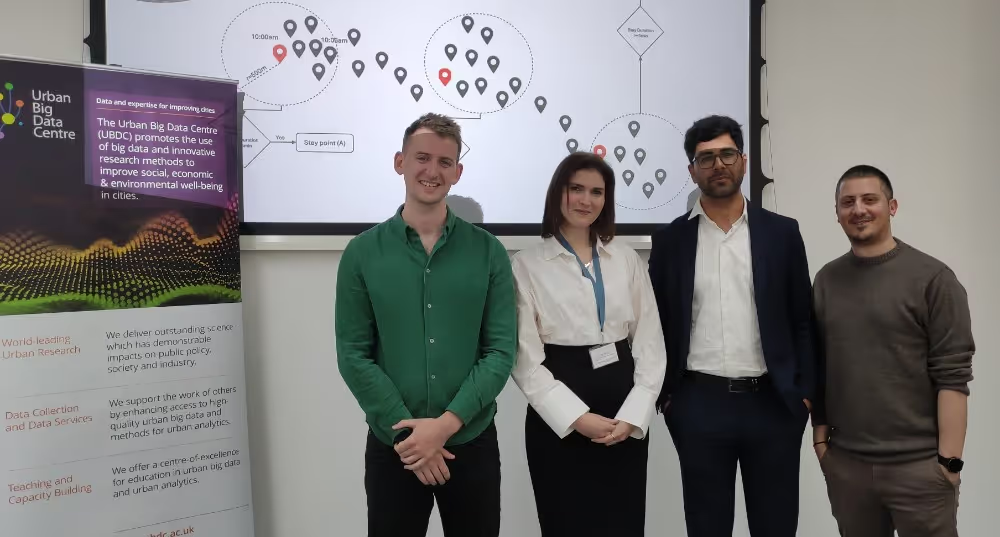
Researchers gathered in Glasgow on 13 June for an innovative Data Dive, organised by the Urban Big Data Centre in collaboration with ESRC Smart Data Research UK. The aim of the event was to provide researchers with first-hand experience using smart data curated by UBDC, to brainstorm new approaches and analyses, and explore the vast range of use-cases of the datasets.

UBDC’s senior research engineering manager, Ms Barbara Alvarez Solanilla, introduced researchers to UBDC’s key role in offering smart, research-ready datasets, to researchers and promoting the use of smart data and innovative methods to improve social, economic, and environmental well-being in cities.
The invitees were then introduced to four key datasets by UBDC researchers: Zoopla Property Data, presented by Dr Michail Georgiou; Public Transport Accessibility Indicators, introduced by Dr David McArthur; the Adzuna data, presented by Dr Sam Grant; and Huq Origin-Destination Matrices data, introduced by Dr Faraz Malik Awan.
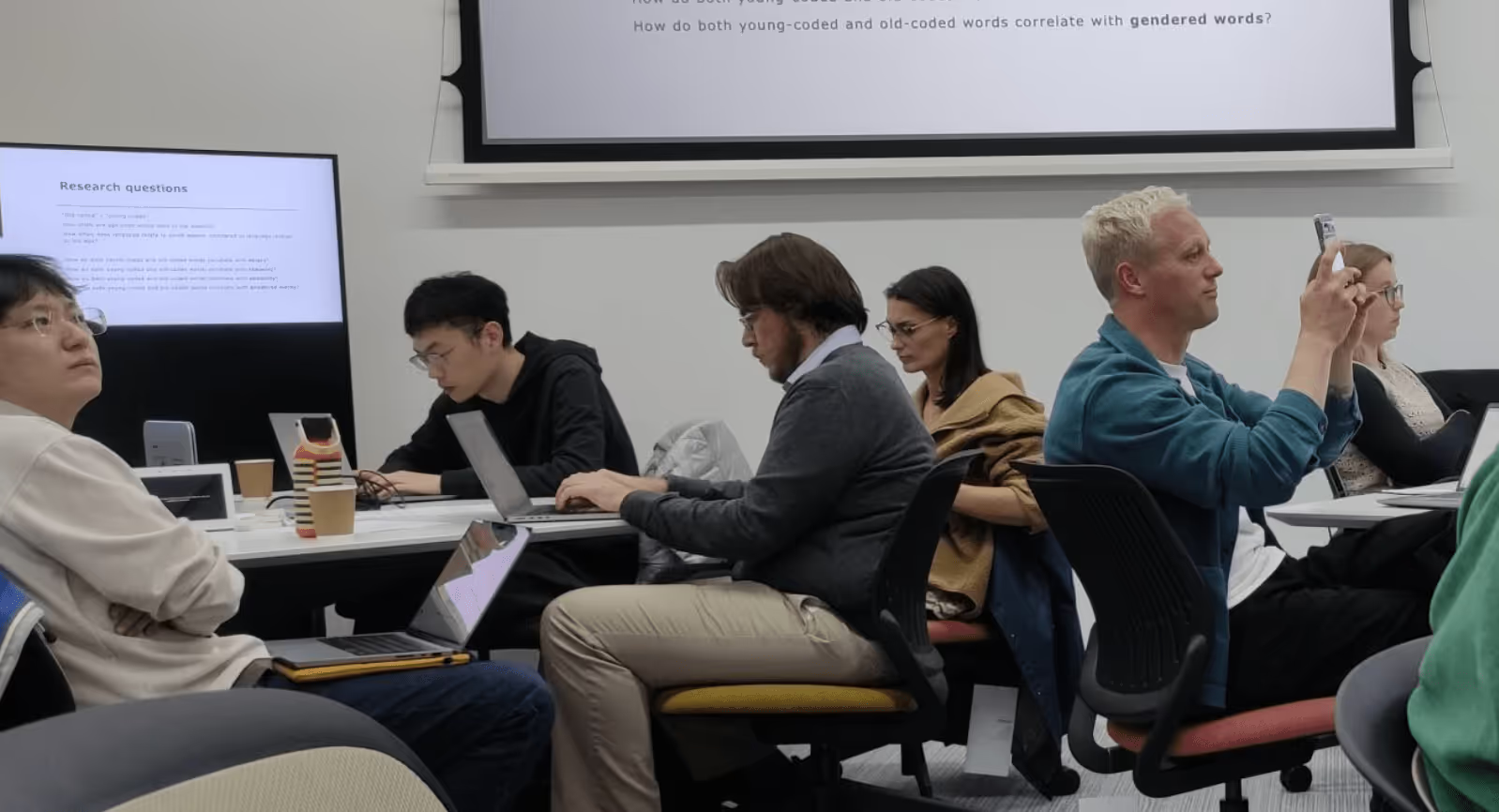
Researchers were given access to data for Scotland's two largest cities, Glasgow and Edinburgh, and were then split into groups. They were allotted three hours to answer a research question of their choice using the datasets. This session was followed by presentations from each group showcasing their work.
Throughout the three-hour session, researchers identified a wide range of interesting topics to explore and numerous intriguing research questions. The work carried out by the groups explored topics such as: the correlation of age-coded and gendered words in job adverts; variations in housing affordability and work opportunities; and the link between public transport accessibility and employment and socio-economic deprivation.
Researchers had the opportunity to link UBDC datasets with other publicly available datasets (e.g., SIMD data) and gained first-hand experience of the ease of use of UBDC’s smart data.

The Data Dive concluded with an engaging discussion about the benefits and challenges of using smart data. Participants provided feedback to UBDC based on their experiences with the datasets. The conversation also highlighted the potential of smart data to incentivise collaborations among researchers, produce high-quality evidence, and ultimately lead to improved decision, and policy, making.
Dr Michail Georgiou, Research Associate in Quantitative Neighbourhood Analysis at the Urban Big Data Centre, said: “I was excited to take part in this Data Dive organised at the Urban Big Data Centre. I was impressed by the quality of the work that all attendees produced during the three-hour analytical session. The event showcases the importance of smart data in future decision-making and the significant role that UBDC can play in producing robust evidence and guiding policy."
SDRUK's strategic advice team aim to gather feedback from a nationwide series of four Data Dives to inform best practice and promote innovative social research.
Files
Latest news
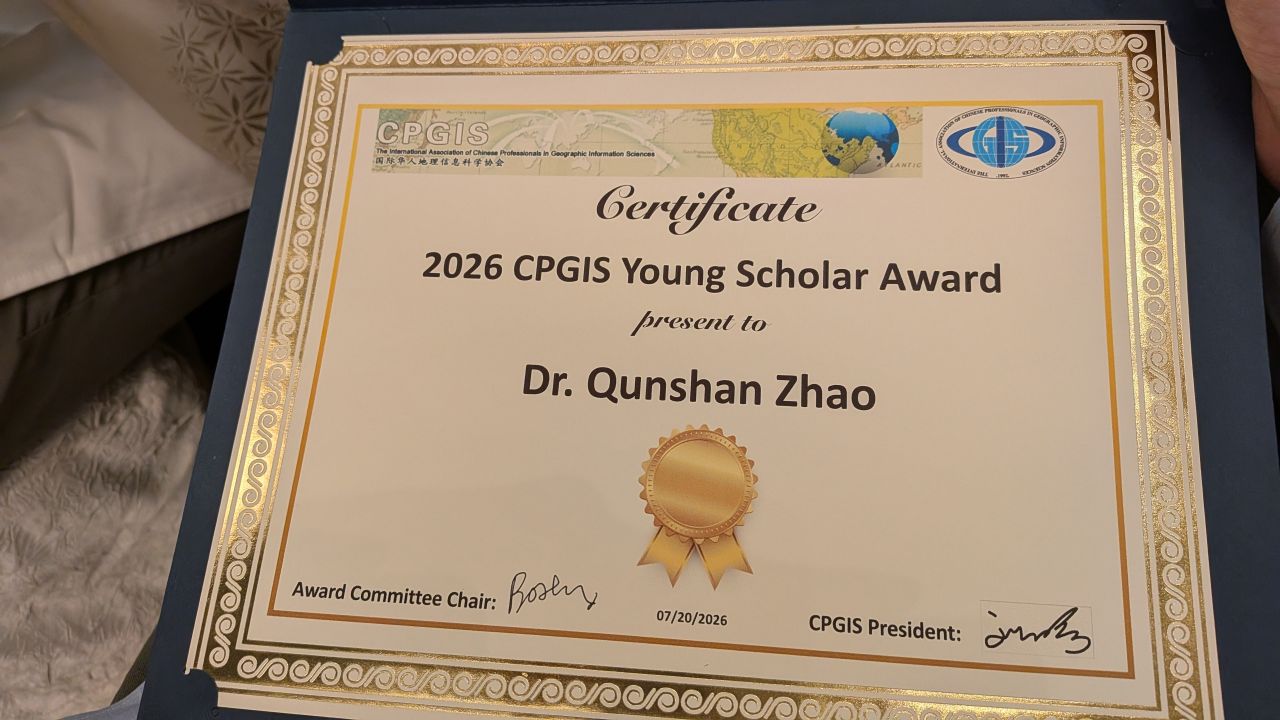
Professor Qunshan Zhao wins prestigious Young Scholar Award
Professor Qunshan Zhao has received a prestigious CPGIS Young Scholar Award for exemplary commitment to research and higher education.
%201.svg)

Our co-created mapping guide featured as a guiding principle for responsible AI integration
A community-led mapping methodology co-developed by the University of Glasgow and partners has been recognised in a flagship international AI report, demonstrating how responsible AI can strengthen participatory approaches to multi-hazard early warning systems.
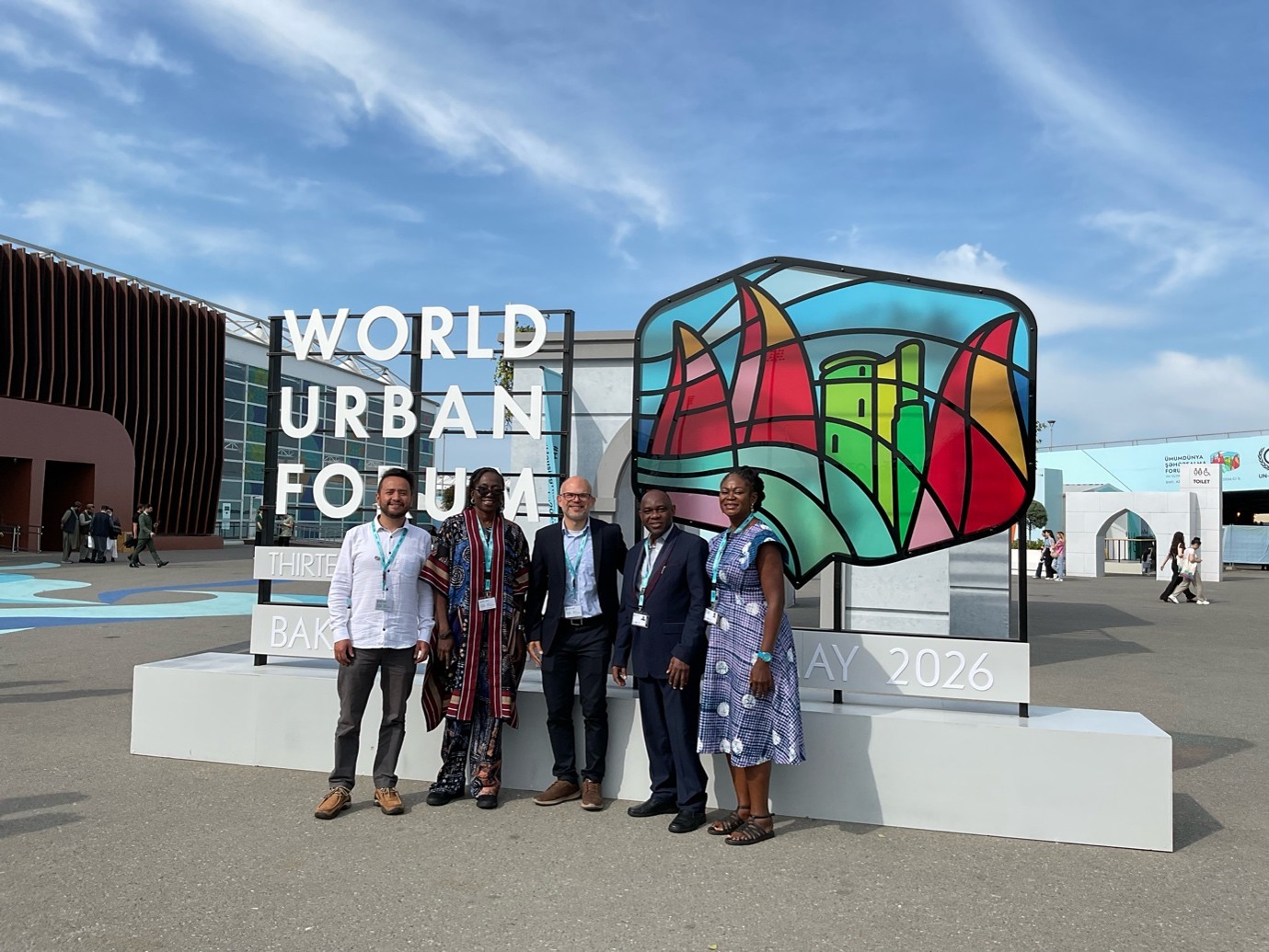
UBDC presents at the World Urban Forum 2026
The Urban Big Data Centre and Partners had a remarkable participation at the latest Would Urban Forum (WUF) in Baku, Azerbaijan. Within the topic “Housing the world: Safe and resilient cities and communities”.
Jointly funded by
%20copy.avif)
.avif)
