
UBDC support for Brazil's 'Map of the Peripheries'

.svg)
.svg)

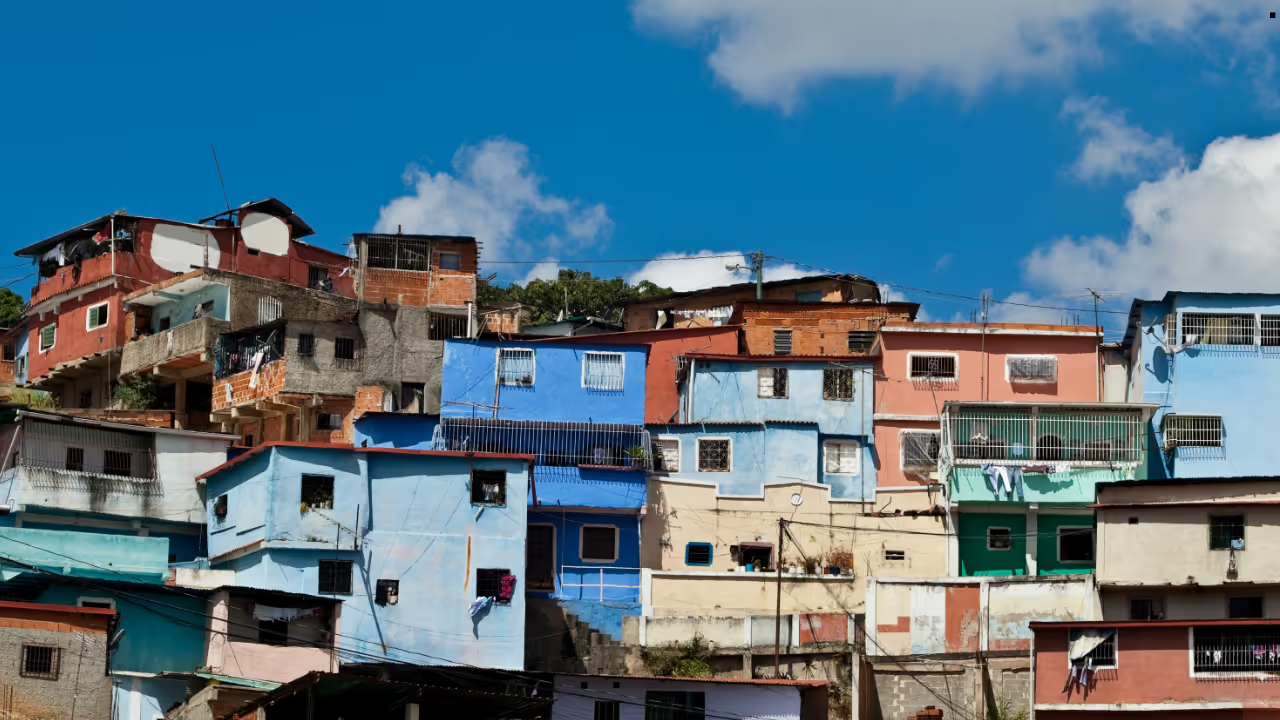
The Urban Big Data Centre is joining a new partnership with Brazil’s Secretaria Nacional de Periferias (part of the Federal Ministry for Cities), and the Humanitarian Open Street Map Team (HOT) aimed at supporting the Mapa das Periferias project.
Background
Mapa das Periferias (Map of the Peripheries) is an interactive platform launched by Brazil’s Secretaria Nacional de Periferias with the goal of gathering and systematising information about informal settlements in Brazil, through a community mapping approach. This allows the residents of the periferias to identify and map the vulnerabilities and strengths of their communities, generating the necessary geospatial data to inform public policies and programs.
The project was officially launched in October of 2023, and through 2024 the team worked on developing and testing a methodology to co-produce data with communities, in consultation with Professor João Porto de Albuquerque, from the Urban Big Data Centre at the University of Glasgow, who specialises in participatory urban analytics. After the consolidation of the geoportal by the end of 2024, the team was ready to take the next steps to refine the tools used for the community mapping campaigns.
In this new stage, HOT joins the project’s current partners to deliver MdP Collect, a customised version of the Field Mapping Tasking Manager (FMTM) tool. This tool will address some of the challenges identified in the previous phases of the project, with the goal of streamlining user experience and making coordination more efficient during the mapping process.
From April to November of 2025, UBDC and HOT will support the mobilisation of mapping campaigns across Brazil, ensuring MdP Collect meets the project's expectations.
Professor Porto de Albuquerque said: I’m delighted to advance this partnership with the Secretaria Nacional das Periferias and HOT to empower residents of favelas and urban communities in Brazil with digital tools to generate high-quality geographic data about their own assets and vulnerabilities. Building upon our previous projects and methodological expertise in participatory urban analytics, this partnership will allow us to extend positive impacts towards the 16 million people who currently live in disadvantaged urban communities across Brazil, and later worldwide.
Next Steps
As the project moves forward, HOT will seek the involvement of other major collaborators interested in investing in MdP Collect. These actions will be immersed within the project’s broader goals for the year, which include a dissemination campaign for the platform and consolidation of the data within the Infraestrutura Nacional de Dados Espaciais (INDE, National Geospatial Data Infrastructure), a portal that incorporates all the geospatial data produced by Brazilian government institutions.
For questions regarding the development of MdP Collect and opportunities for collaboration, contact Pete Masters, project manager at HOT, at pete.masters@hotosm.org
For general information about Mapa das Periferias, reach out to Julia Magnoni, Communications Coordinator, at comunicacao@mapadasperiferias.com
Files
Latest news
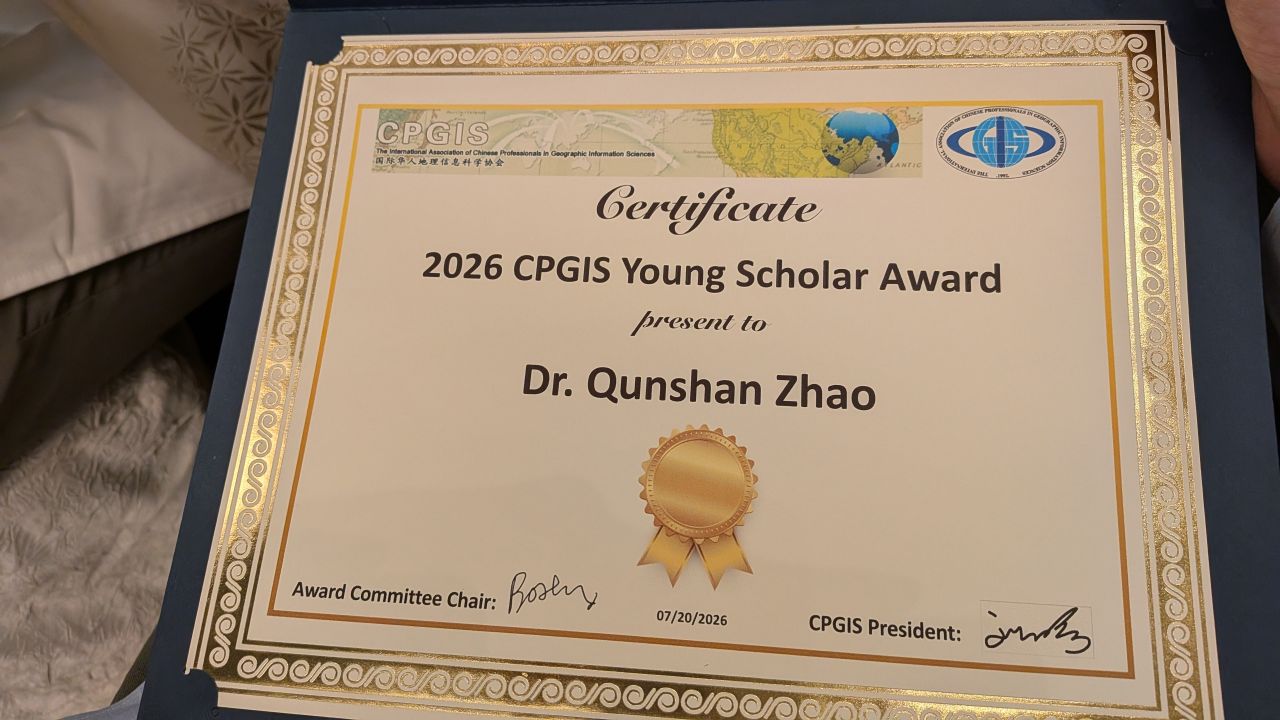
Professor Qunshan Zhao wins prestigious Young Scholar Award
Professor Qunshan Zhao has received a prestigious CPGIS Young Scholar Award for exemplary commitment to research and higher education.
%201.svg)

Our co-created mapping guide featured as a guiding principle for responsible AI integration
A community-led mapping methodology co-developed by the University of Glasgow and partners has been recognised in a flagship international AI report, demonstrating how responsible AI can strengthen participatory approaches to multi-hazard early warning systems.
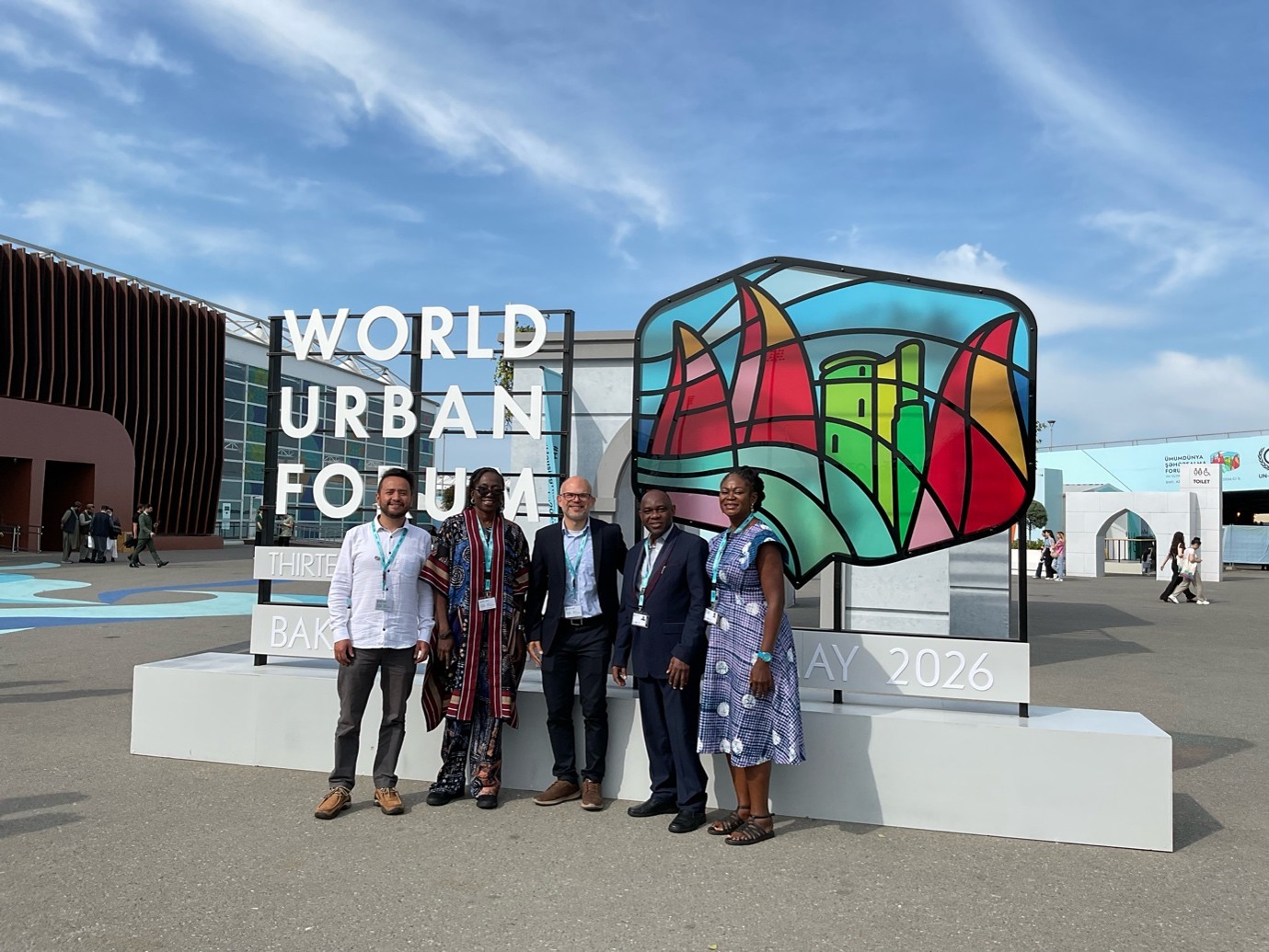
UBDC presents at the World Urban Forum 2026
The Urban Big Data Centre and Partners had a remarkable participation at the latest Would Urban Forum (WUF) in Baku, Azerbaijan. Within the topic “Housing the world: Safe and resilient cities and communities”.
Jointly funded by
%20copy.avif)
.avif)
