UBDC and Partners Secure Funding to Advance Maternal Healthcare Research in Nigeria
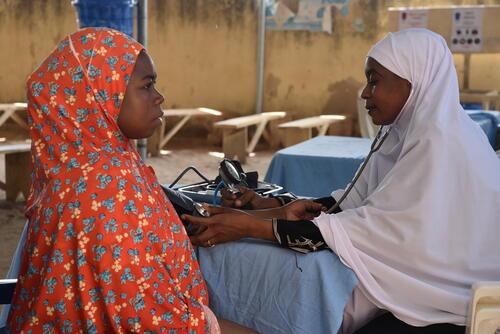


The UBDC and partners of the IDEAMAPS Network at Bayero University Kano and the University of Lagos in Nigeria have secured a £259,000 funding supplement to extend the pioneering research building on participatory, data-driven approaches to identifying areas with limited access to Emergency Obstetric Care (EmOC) and supporting evidence-informed maternal healthcare planning in Kano State, Nigeria.
The 12-month extension (October 2026–September 2027) builds on four years of collaborative research undertaken between 2022 and 2026. Through a participatory analytics approach implemented using the IDEAMAPS Data Ecosystem platform, the project has co-created and improved an accessibility data model that classifies areas into three levels of healthcare access deprivation: low, medium and high. This classification helps identify and prioritise underserved areas, providing evidence to inform more cost-effective interventions aimed at strengthening maternal healthcare services and outcomes.
External validation showed that 87% of recorded maternal deaths in Kano city in Nigeria occurred in areas classified as experiencing medium or high levels of healthcare access deprivation. This finding highlights the potential of the IDEAMAPS EmOC accessibility model to identify underserved areas associated with higher maternal mortality and inform maternal healthcare planning.
The extension will focus on two complementary areas of work. The first will strengthen evidence uptake and stakeholder engagement by working with government agencies, health authorities, and community partners to identify how IDEAMAPS findings can support healthcare planning and investment decisions in Kano State. The second area will extend and validate the EmOC accessibility modelling approach in additional peri-urban and rural areas of Kano State. Through participatory workshops, the project will examine whether, and under what conditions, the approach developed in urban Kano can be applied in different geographical settings. The findings will be shared through openly accessible datasets, model code, and a scientific publication examining the approach's transferability and scalability.
The project also emphasises local capacity building, with Bayero University Kano (BUK) playing a central role in engaging local stakeholders and facilitating participatory workshops, training, and knowledge exchange among researchers, health practitioners, and local stakeholders.
This extension project reinforces the growing recognition that UBDC’s pioneering approach to Participatory Analytics, combining local knowledge, community participation, and advanced geospatial data analytics, can help tackle some of the most pressing health inequalities facing rapidly growing urban, peri-urban and rural communities in the Global South.
Files
Latest news

Sensor-enhanced housing survey for urban heat investigation
The collaboration between UBDC Urban Sensing & Analytics team and The Bureau of Investigative Journalism (TBIJ) originated from a small pilot study carried out by UBDC in the winter of 2021, supported by ESRC.

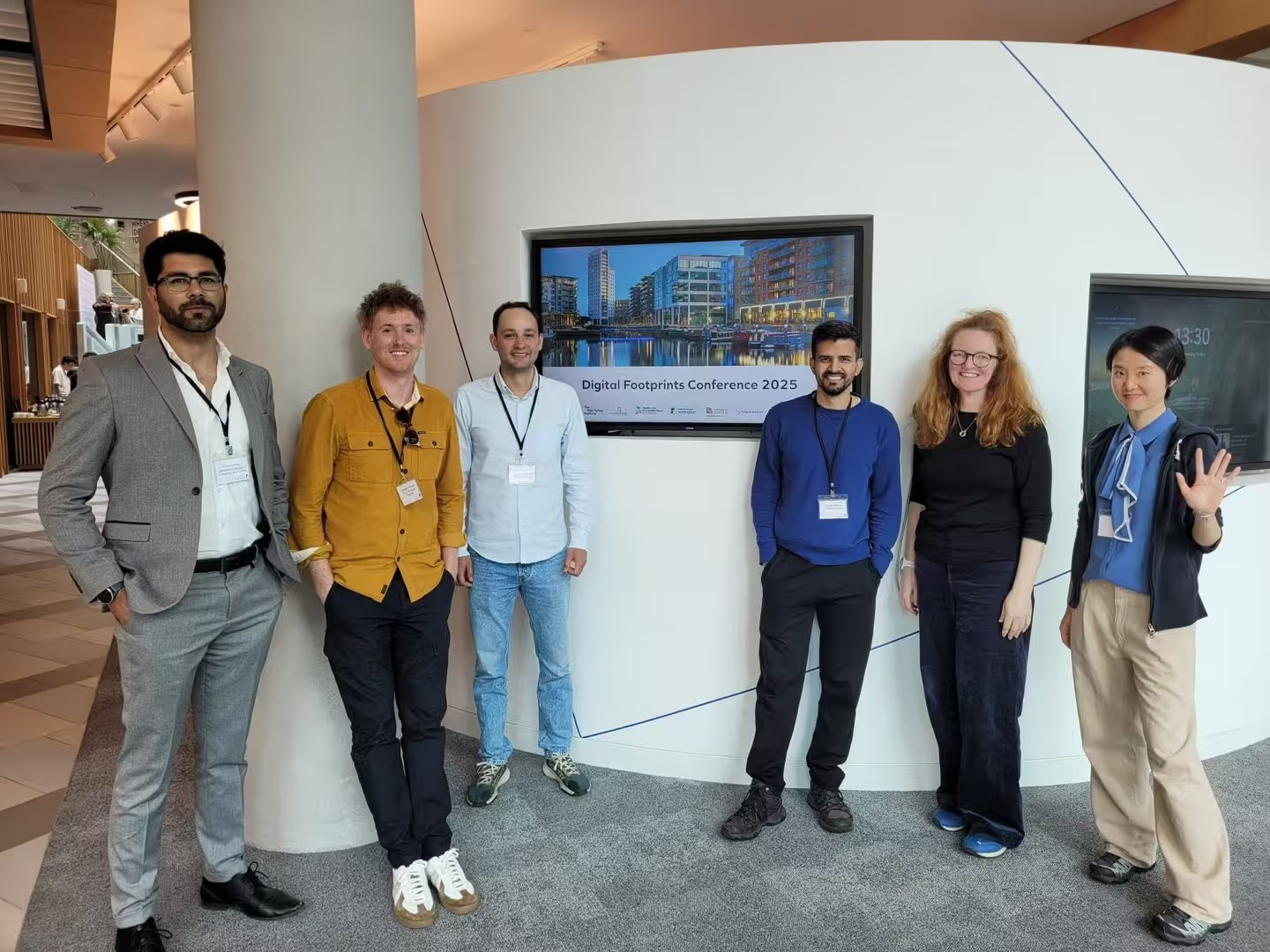
UBDC attends the 3rd Digital Footprints Conference in Leeds
This year focused on Digital Footprints for the Public Good exploring the exciting potential of novel data sources to drive impactful research.

New high-resolution traffic flow dataset from UBDC
New UBDC paper introduces a long-term traffic flow dataset for a concise urban area combined with detailed space and time data
Jointly funded by