
Mapping With Communities workshop at AGILE 2024

.svg)
.svg)

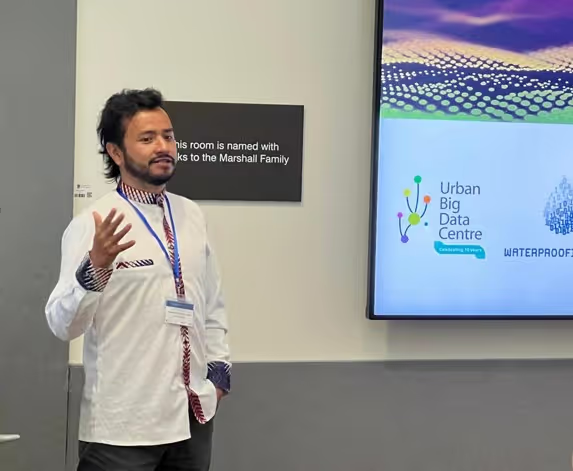
The Heidelberg Institute for Geoinformation Technology (HeiGIT) and UBDC hosted a successful international workshop entitled 'Mapping with Communities' at the AGILE 2024 conference in Glasgow, Scotland, UK.
Responding to the conference theme of 'Geographic Information Science for a Sustainable Future' two teams facilitated activities with researchers from various European GI Science research centres.
The Glasgow workshop followed the first event of its kind at GIScience 2023 in Leeds and organisers were delighted to welcome about 20 participants to witness and continue the growth of this vibrant community.
This workshop aimed to provide a platform for exchanging ideas and discussions, particularly on the challenges and potentials of mapping local knowledge.
Contributions included presentations on the IDEAMAPS Network with Prof. Joao Porto de Albuquerque, the Waterproofing Data project with Dr Diego Pajarito G and the impact of digital mapping on public participation in informal settlements with Dr René Westerholt - TU Dortmund.
There was also had a hands-on session led by HeiGIT, which aimed to share insights on the Sketch Map Tool and their experiences in participatory mapping use cases over recent years (Ms. Anne Schauss). This session not only raised awareness of challenges faced by vulnerable communities worldwide but also allowed attendants to experience a mapping scenario first hand.
The attendants interacted with three mapping areas prepared using the Sketch Map Tool. The first two covered areas affected by extreme floods in southern Brazil in 2024 (the cities of Estrela and Porto Alegre), while a third area covered the Mathare neighbourhood where vulnerable communities were recently evicted by local authorities. This interactive segment sparked discussions on the potential and limitations of such tools in addressing real-world scenarios.
The workshop allowed participants to share experiences, visions, questions, and challenges encountered when engaging communities with mapping. Discussions focused on the importance of trust building and continuous engagement with communities, considering data sensitivity, and recognising the limitations within which scientists can act impactfully. The indispensability of local knowledge and the synergy of different expertise and methodologies were underscored as crucial for future progress.
HeiGIT and UBDC are committed to continuing this dialogue in future events and fostering collaboration among researchers, practitioners, and technology providers. We aim to foster partnerships, enhance data and map literacy, share experiences, and build a dynamic community passionate about participatory mapping and beyond.
Ultimately, our goal is to continue building a collaborative environment with you all. We want to bridge the gap between the stakeholders and the existing technology ecosystem that relies on the advancement of tools like Sketch Map Tool, Waterproofing Data, IDEAMAPS Data ecosystem and much more.
For those interested in our expanding community, we invite you to reach out at mappingwithcomm@glasgow.ac.uk or through any of our partner institutions.
Files
Latest news
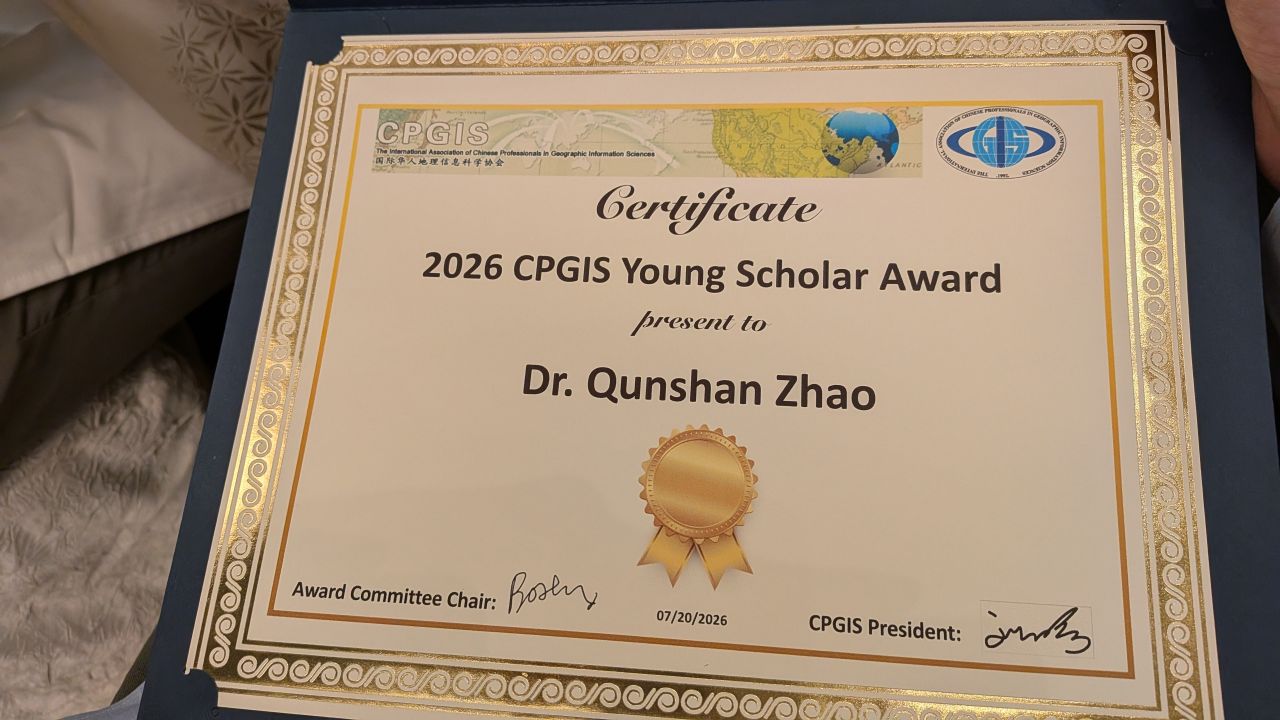
Professor Qunshan Zhao wins prestigious Young Scholar Award
Professor Qunshan Zhao has received a prestigious CPGIS Young Scholar Award for exemplary commitment to research and higher education.
%201.svg)

Our co-created mapping guide featured as a guiding principle for responsible AI integration
A community-led mapping methodology co-developed by the University of Glasgow and partners has been recognised in a flagship international AI report, demonstrating how responsible AI can strengthen participatory approaches to multi-hazard early warning systems.
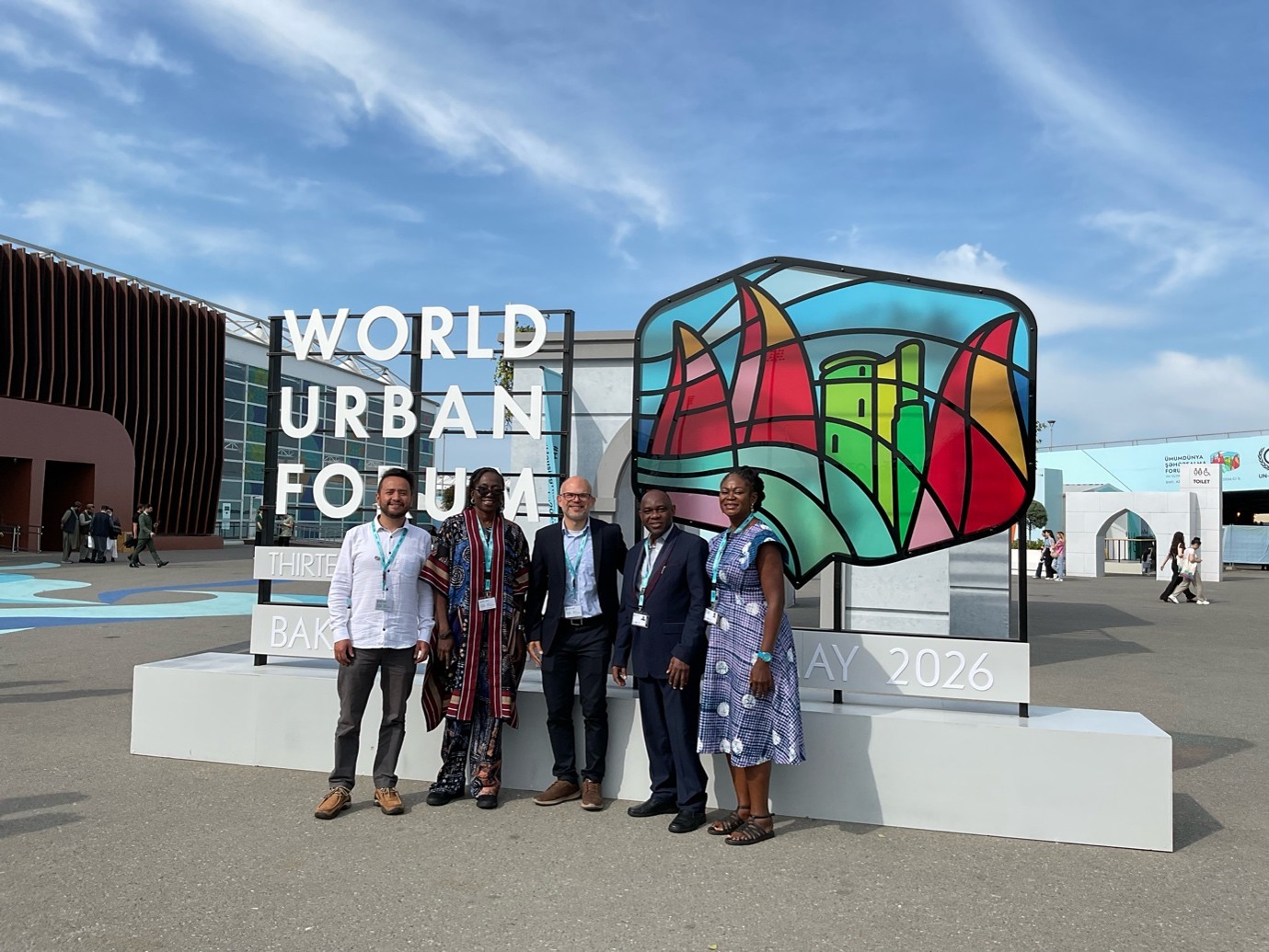
UBDC presents at the World Urban Forum 2026
The Urban Big Data Centre and Partners had a remarkable participation at the latest Would Urban Forum (WUF) in Baku, Azerbaijan. Within the topic “Housing the world: Safe and resilient cities and communities”.
Jointly funded by
%20copy.avif)
.avif)
