
Glasgow’s new hi-res traffic dataset sheds light on city traffic patterns

.svg)
.svg)

Unlocking Urban Mobility: Glasgow’s New High-Resolution Traffic Dataset Sheds Light on City Traffic Patterns
UBDC researchers have cleaned and processed raw traffic flow data from Glasgow City Council's open API portal to create a new analysis-ready dataset.
The traffic dataset from the City Council’s urban traffic control system offers new insights into how traffic moves through the city’s streets. The openly available dataset, recently published in Scientific Data, provides a four-year record of high-resolution traffic flows, covering October 2019 to September 2023, and is set to become a valuable resource for public/private sectors and research institutions to answer questions in urban planning, transportation management, and environmental justice.
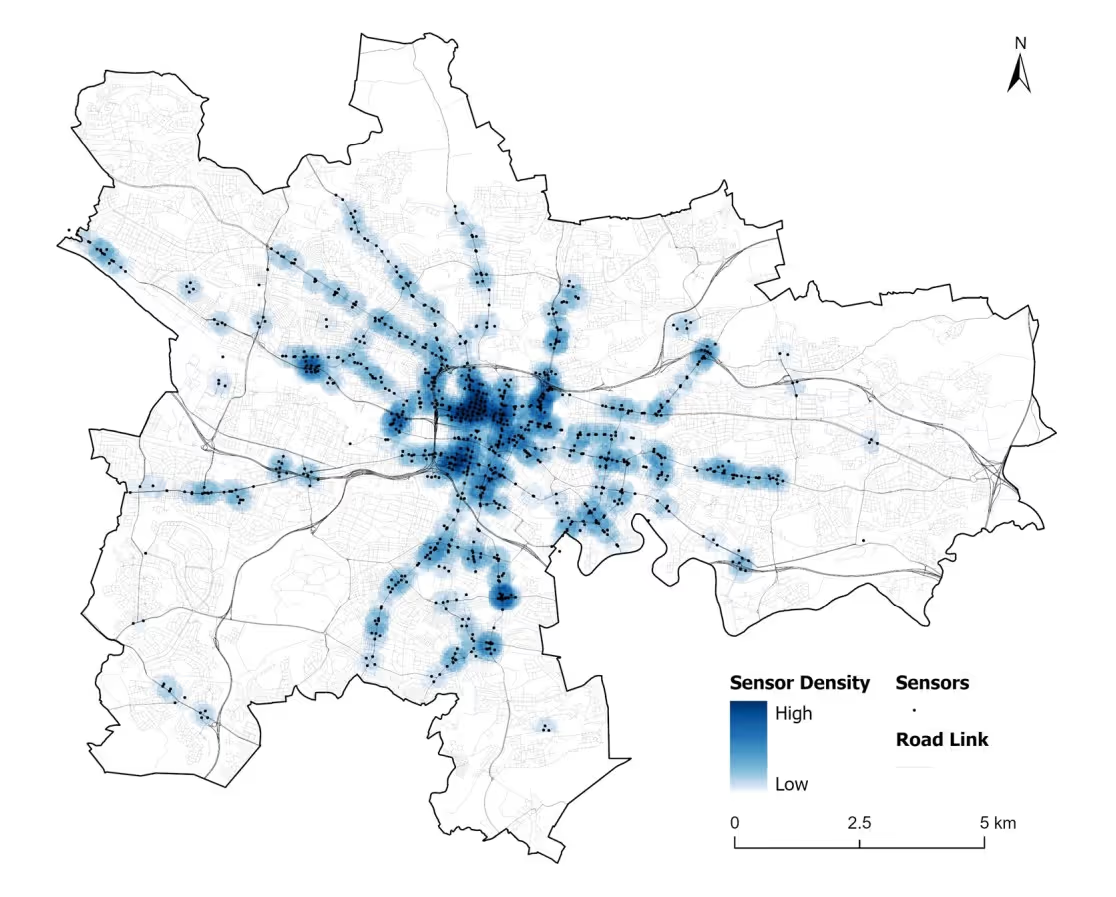
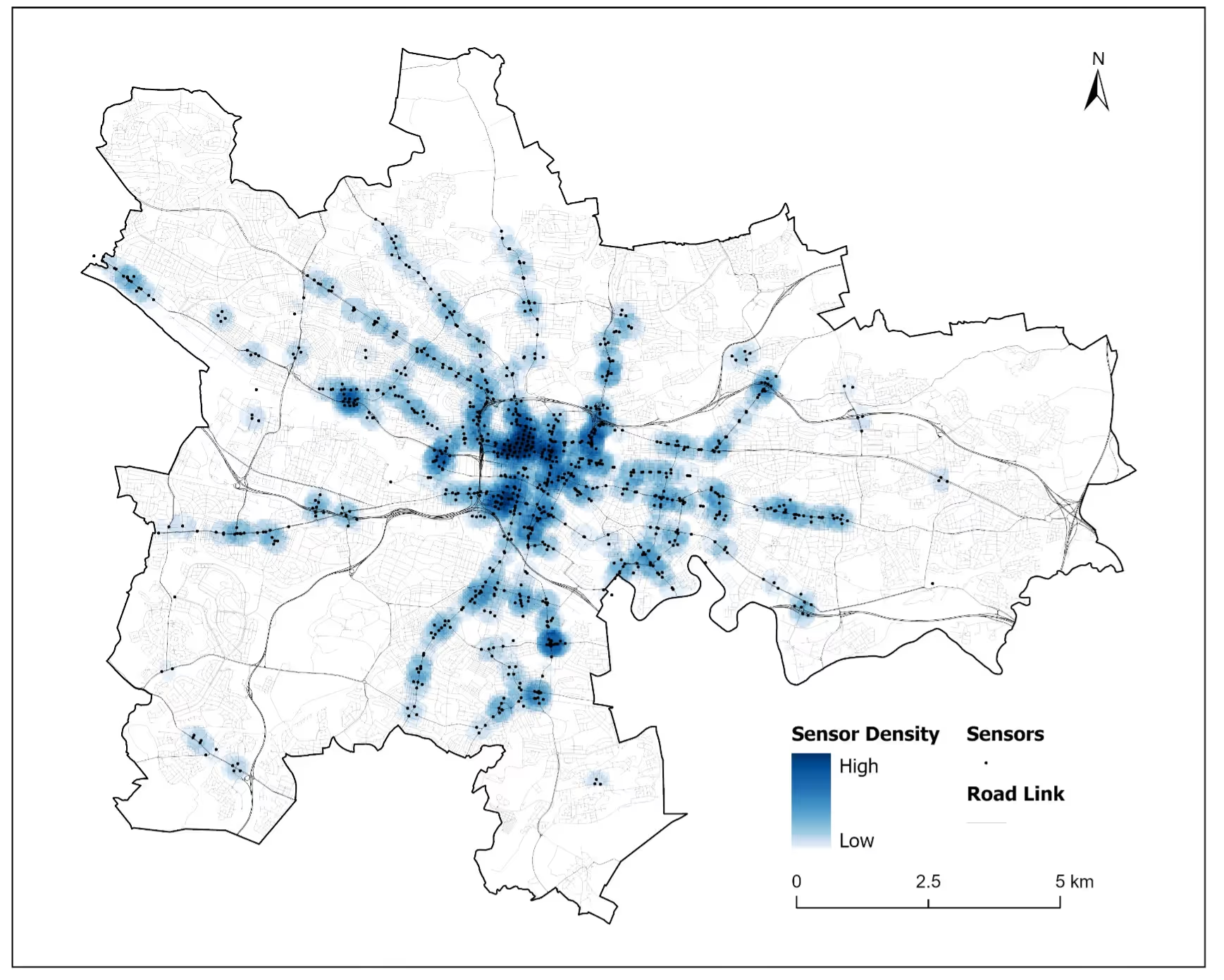
The dataset stands out due to its high spatio-temporal granularity—capturing traffic flows every hour across a network of 470 sensors embedded in road infrastructure. It offers a detailed view of daily and seasonal traffic patterns, helping researchers and policymakers understand congestion, infrastructure needs, and even the long-term impact of events like the COVID-19 pandemic on urban mobility.
How the Data Can Transform Urban Planning
Unlike previous datasets that provided only annual or monthly traffic summaries, this dataset captures the full complexity of urban traffic at an intra-city scale. It can be used to:
Improve Traffic Management: By analysing peak hours and congestion patterns, authorities can optimise signal timings and reroute traffic to ease congestion.
Enhance Road Infrastructure Planning: The dataset reveals traffic trends across different road types, from major motorways to local streets, supporting targeted infrastructure investments.
Understand Environmental Impact: Traffic emissions are a major contributor to urban air pollution. This dataset can help link traffic volumes to air quality measurements, aiding in sustainable urban development.
The Impact of COVID-19 on Glasgow’s Traffic Patterns
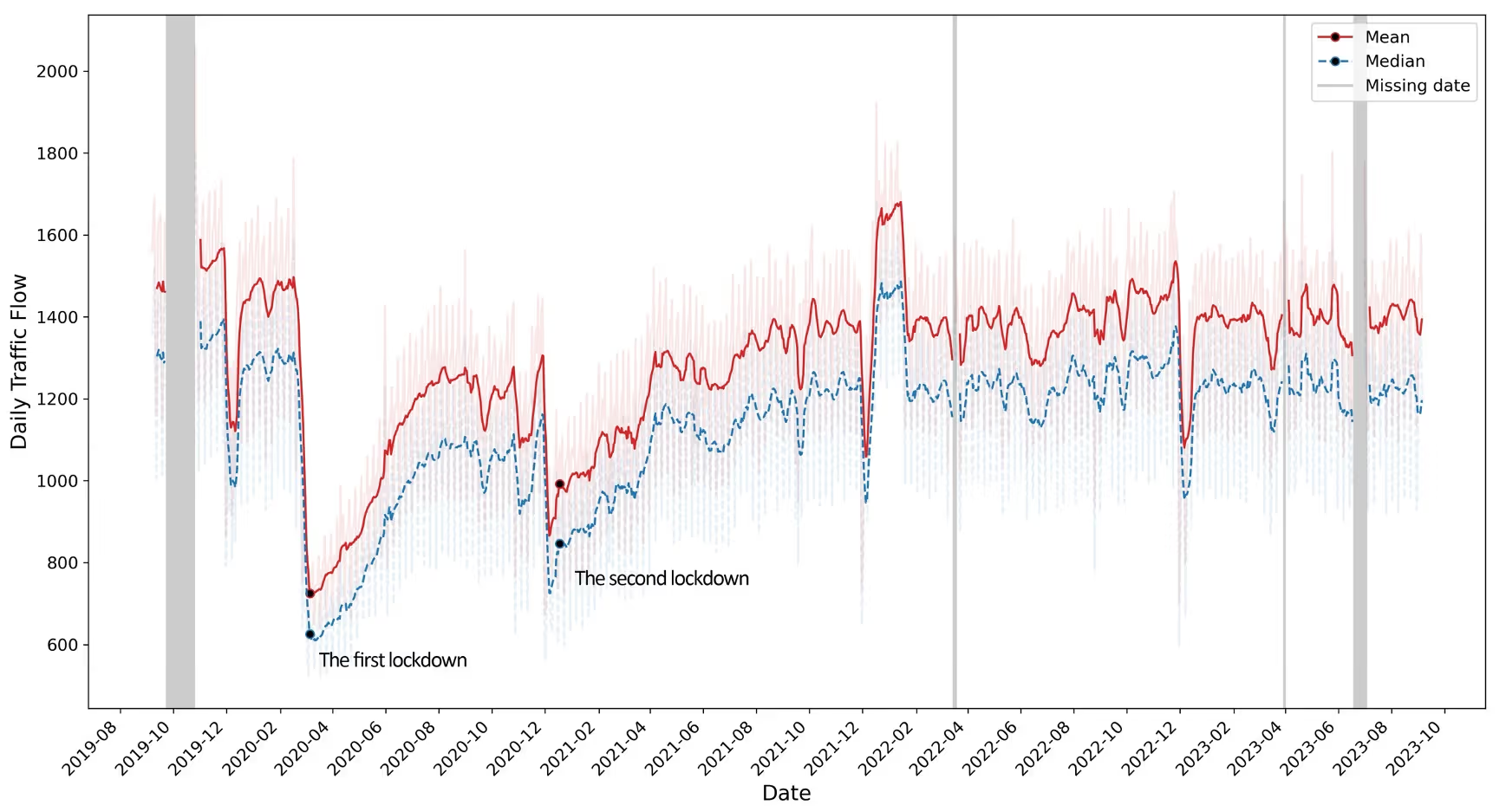
One of the key insights from this dataset is how traffic patterns shifted with the influence of pandemic. The data show a sharp drop in traffic flows in March 2020 following lockdown measures, with a gradual recovery over subsequent years. Specifically, the morning peak-hour traffic disappeared during the lockdowns and has yet to fully return, suggesting a lasting impact of remote work and flexible commuting schedules.
Ensuring Data Quality
To maintain accuracy, researchers applied strict data-cleaning methods, filtering out unreliable sensor readings and correcting inconsistencies. The final dataset includes data from 470 carefully filtered sensors, ensuring a reliable foundation for urban mobility studies.
This open-access dataset is expected to support a wide range of applications, from academic research to real-time traffic monitoring and smart city development. With such detailed and high-quality data, Glasgow’s streets may soon become not only more efficient but also more environmentally friendly.
Openly available Traffic Flow Datasets
Most of the major cities in the UK have installed similar real-time traffic control system. We would like to call for more open API accesses from the traffic flow systems, similar to what Glasgow City Council has provided in its open data portal. This will enable more detailed traffic analysis in the coming future.
Acknowledgements
The first author is funded by the China Scholarship Council (CSC) from the Ministry of Education of P.R. China. Dr Qunshan Zhao has received the ESRC’s ongoing support for the Urban Big Data Centre (UBDC) [ES/L011921/1 and ES/S007105/1] and the Royal Society International Exchange Scheme [IEC\NSFC\223042].
Team: Yue Li, Qunshan Zhao, Mingshu Wang
Full paper: https://www.nature.com/articles/s41597-025-04494-y
Files
Latest news
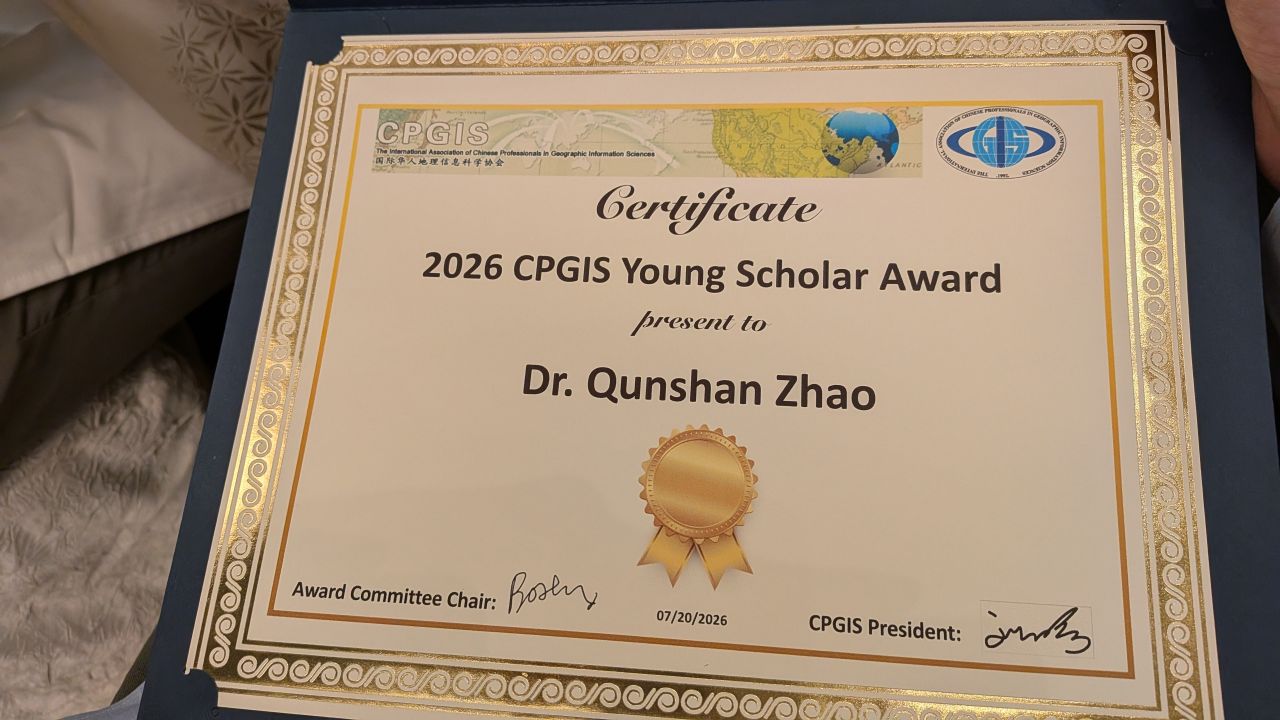
Professor Qunshan Zhao wins prestigious Young Scholar Award
Professor Qunshan Zhao has received a prestigious CPGIS Young Scholar Award for exemplary commitment to research and higher education.
%201.svg)

Our co-created mapping guide featured as a guiding principle for responsible AI integration
A community-led mapping methodology co-developed by the University of Glasgow and partners has been recognised in a flagship international AI report, demonstrating how responsible AI can strengthen participatory approaches to multi-hazard early warning systems.
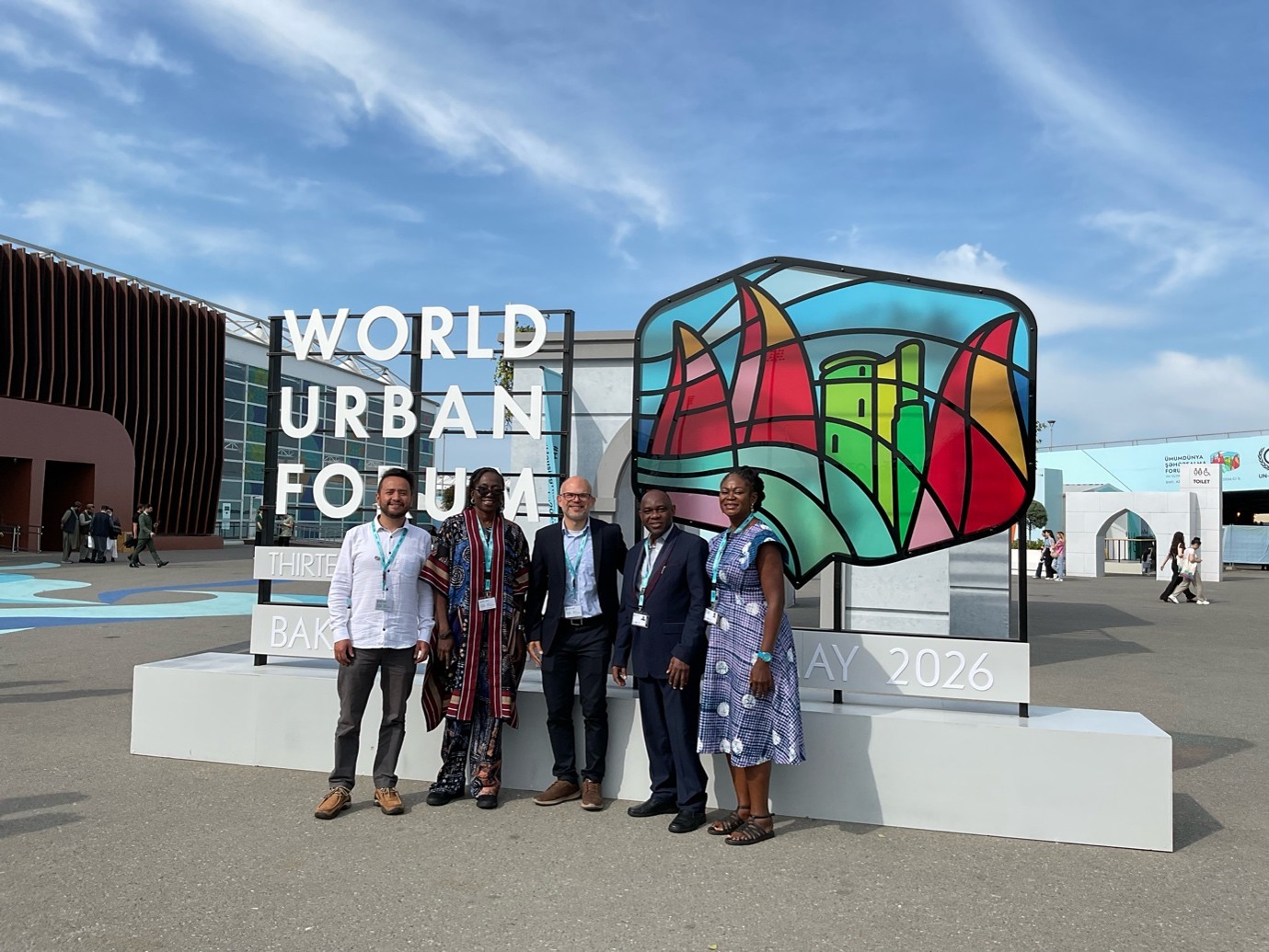
UBDC presents at the World Urban Forum 2026
The Urban Big Data Centre and Partners had a remarkable participation at the latest Would Urban Forum (WUF) in Baku, Azerbaijan. Within the topic “Housing the world: Safe and resilient cities and communities”.
Jointly funded by
%20copy.avif)
.avif)
