
DataCivil’s lead discusses Disaster Risk Reduction


.svg)
.svg)

On 25 March 2024, DataCivil’s principal investigator, Philipp Ulbrich was invited to participate in a panel discussion for the launch of the Municipal Plan for Disaster Risk Reduction in Niterói, Rio de Janeiro state.
The event was hosted by Niterói's mayor and co-presented by Brazil’s National Secretary for the Peripheries, the municipal secretary for civil defence, and the Vice-Chancellor of the Universidade Federal Fluminense.
During his talk, Philipp emphasised the importance of creating multi-level synergies between the global 2030 Agenda, Brazil's government’s drive to enhance data on Favelas, and Niterói’s plan to create a participatory strategy for disaster risk reduction in the city.
Following the public event, the DataCivil team hosted a project inception workshop with community civil defence volunteers and city officials to co-identify data needs and outline a joint vision of a training module for risk data generation for future civil defence volunteers.

Files
Latest news
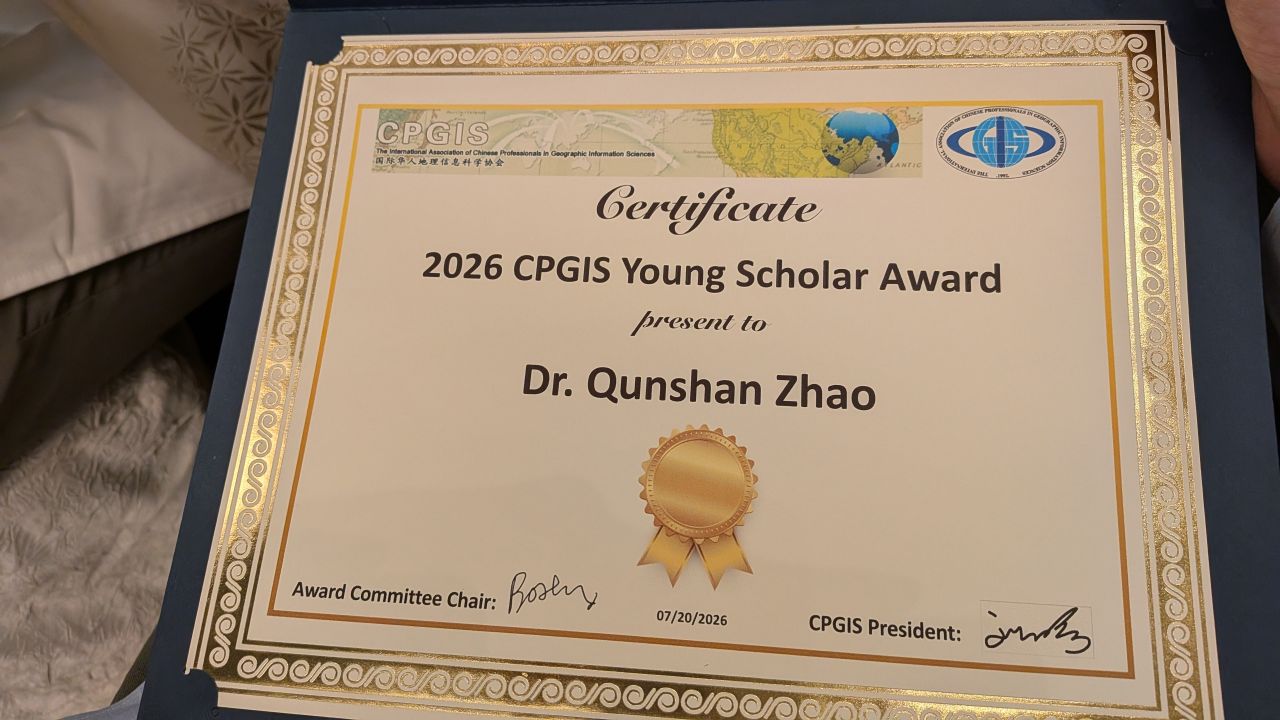
Professor Qunshan Zhao wins prestigious Young Scholar Award
Professor Qunshan Zhao has received a prestigious CPGIS Young Scholar Award for exemplary commitment to research and higher education.
%201.svg)

Our co-created mapping guide featured as a guiding principle for responsible AI integration
A community-led mapping methodology co-developed by the University of Glasgow and partners has been recognised in a flagship international AI report, demonstrating how responsible AI can strengthen participatory approaches to multi-hazard early warning systems.

UBDC presents at the World Urban Forum 2026
The Urban Big Data Centre and Partners had a remarkable participation at the latest Would Urban Forum (WUF) in Baku, Azerbaijan. Within the topic “Housing the world: Safe and resilient cities and communities”.
Jointly funded by
%20copy.avif)
.avif)
