
Valuing energy efficiency in UK housing
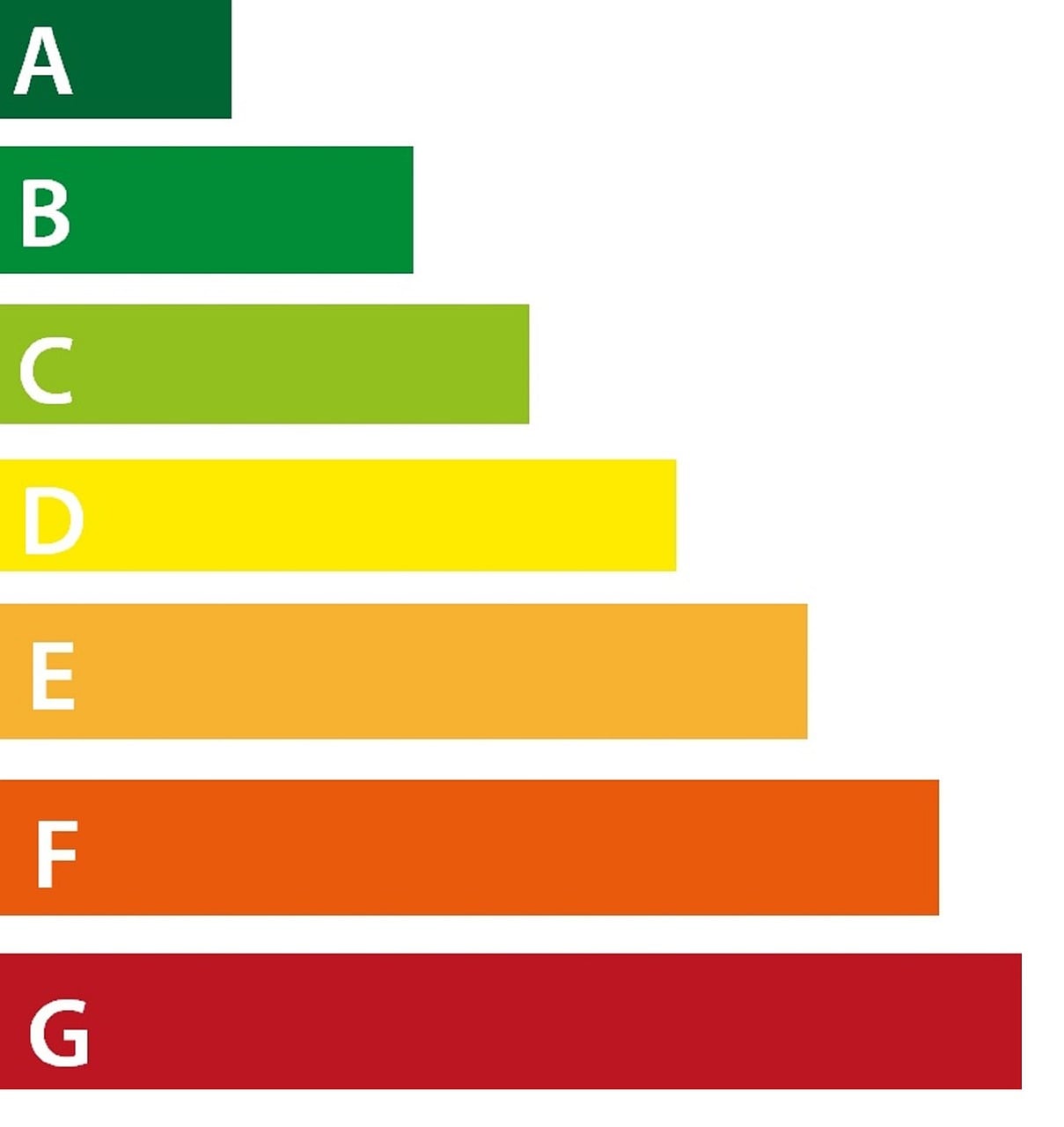
There is no pathway to Net Zero without the near-complete decarbonisation of heat in housing. In this project, we seek to provide high-quality evidence on progress in relation to this goal to support public policy and wider debate.
Aims and objectives
This project aims to track progress with the transition to higher energy efficiency for domestic properties, and to understand public attitudes to this, through their willingness to pay more for ‘greener’ housing.
· To track progress with raising energy efficiency in UK housing
· To examine the distribution of public support for the transition and to monitor the emergence of any new inequalities arising in this process
· To understand people’s willingness to pay for energy efficiency as a crucial factor shaping decisions to invest in the transition, and how this may vary across the housing stock
· To assess how willingness to pay may vary over time, particularly in relation to energy price fluctuations
Existing work and next steps
Using the evidence provided by Energy Performance Certificates (EPCs), we examined overall progress in achieving greater energy efficiency in this study for England, exploring variations between neighbourhoods and local authorities.
In work led by Dr Yunbei Ou, we reviewed evidence from across Europe on people’s willingness to pay more for more energy efficient properties. That was followed by a study of the impacts of the 2022 energy price crisis on house buying behaviour in Greater Manchester, UK. Our work shows that higher energy efficiency is valued, particularly in house sales, and that the energy price crisis increased this ‘green premium’.
The next stages in our work will include an exploration of how the ‘green premium’ varies across the housing stock. Again focussing on Greater Manchester, we will use causal machine learning models to provide stronger insights into the impact which energy efficiency has on house values.
Related work
A new project (MEasuring Renewables uptake & Value (MERV)) is looking at progress in the adoption of ‘clean’ heating systems and other renewables technologies like solar panels, focussed on the UK.
Other projects explore the use of local and remote sensing technologies to build a better understanding of energy efficiency in the building stock.
Jointly funded by
%20copy.avif)
.avif)
