
Our co-created mapping guide featured as a guiding principle for responsible AI integration


.svg)
.svg)

The AI for Good Global summit concluded last 10 July 2024 demonstrating the widespread application of artificial intelligence (AI) in a variety of sectors, including health and agriculture, mobility, education, creative industries, and public policy. During the summit, the “Leveraging AI to Enhance Multi-Hazard Early Warning Systems (MHEWS)”report was launched in in Geneva (link: https://www.itu.int/en/ITU-D/Emergency-Telecommunications/Documents/2026/EW4All/AI-EW4All-Report_%20final.pdf) and featured the methodology to map the T-622 action plan for the Atrato River https://doi.org/10.36399/gla.pubs.376242, co-created with the Cuerpo Colegiado de Guardianes del Atrato https://atrato.centrosiembra.org ,SIEMBRA, researchers at the University of Glasgow and SCIAF.
Such a guide aims at serving communities and authorities to effectively implement a participatory approach to monitoring the environmental conditions of the Rio Atrato. It considers the dialogue with communities and their consultation as key to address the socio-environmental issues from three main perspectives.
• Legal requirement: Afro and Indigenous communities must be consulted on projects implemented on their collective territories.
• Local knowledge: communities possess a wealth of knowledge about their collective territories. Incorporating such knowledge into the policy process is pivotal to developing effective projects that are supported by communities.
• Accountability: it is important that community representatives have knowledge and understanding of projects within their territories to hold policy actors to account.
The methodology is featured in the report as an example of “Guiding principles for responsible integration” of AI tools into early warning. With the strong focus on co-creation lead by local communities ,AI-based tools such as the Sketchmap (link https://sketch-map-tool.heigit.org)tool are conceived as contributors to a social process rather than central actors. The report reference is the result of constant interaction with the communities in Colombia, their representatives, researchers, funders and key partners at HeiGIT.
The team at UBDC is very grateful for all the support an effort to make this guide visible in global spaces like the ones enabled by UNDRR, WMO ,ITU and IFRC.

The mapping guide is available at: https://doi.org/10.36399/gla.pubs.376242
For more information about the AIforGood Global summit visit:
https://www.linkedin.com/company/ai-for-good-global-summit-un/
Files
Latest news
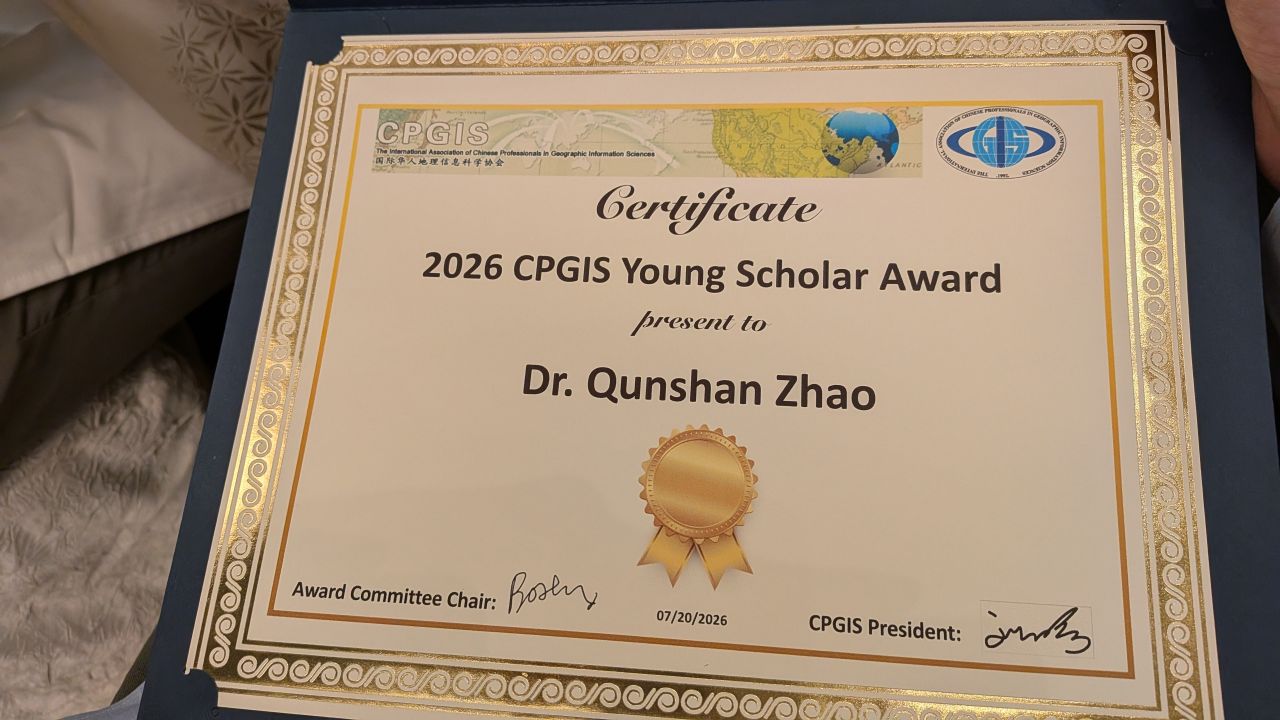
Professor Qunshan Zhao wins prestigious Young Scholar Award
Professor Qunshan Zhao has received a prestigious CPGIS Young Scholar Award for exemplary commitment to research and higher education.
%201.svg)
Our co-created mapping guide featured as a guiding principle for responsible AI integration
A community-led mapping methodology co-developed by the University of Glasgow and partners has been recognised in a flagship international AI report, demonstrating how responsible AI can strengthen participatory approaches to multi-hazard early warning systems.
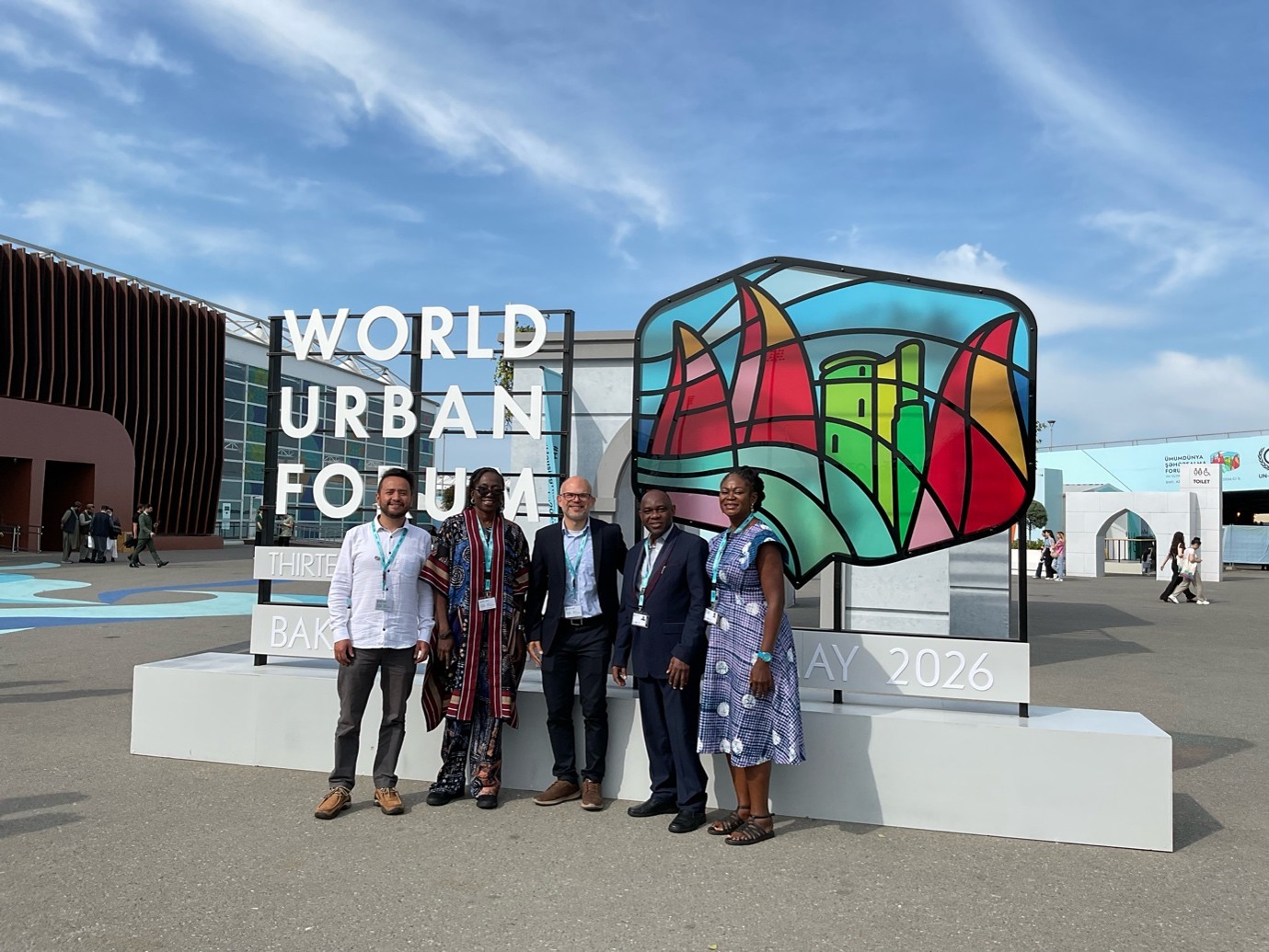
UBDC presents at the World Urban Forum 2026
The Urban Big Data Centre and Partners had a remarkable participation at the latest Would Urban Forum (WUF) in Baku, Azerbaijan. Within the topic “Housing the world: Safe and resilient cities and communities”.
Jointly funded by
%20copy.avif)
.avif)
