
From Smart Data to Health Impacts: Thermal Simulation of Indoor Environments in UK Cold Homes
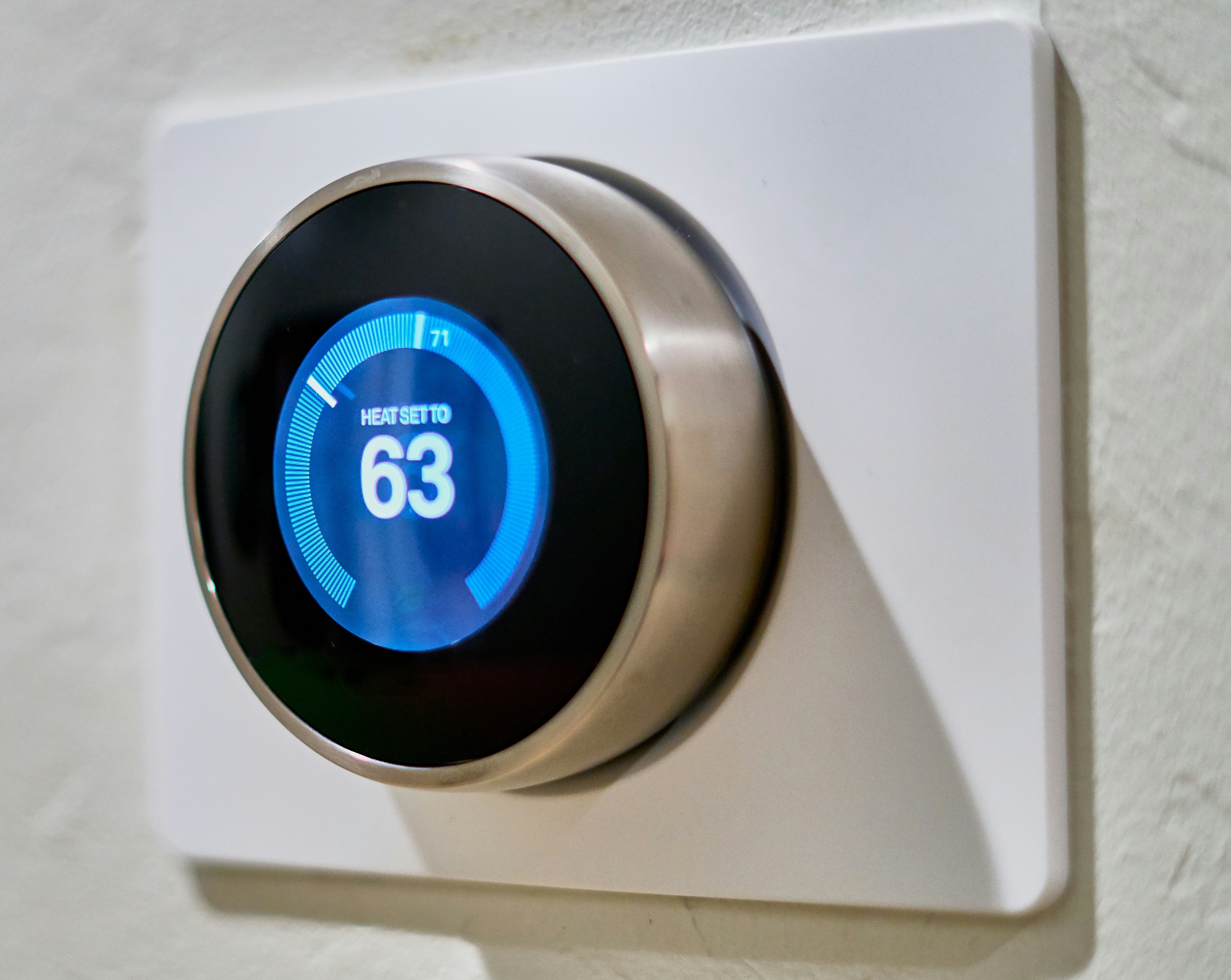
Cold homes in the UK pose a major public health crisis, causing respiratory and mental health issues while burdening the NHS. Identifying vulnerable households remains difficult, leading to inefficient policy support.
This fellowship addresses this by developing a predictive model using existing national data—linking smart meter consumption, building characteristics, and weather patterns. By leveraging a unique, high-resolution dataset from a cross-institutional collaboration (Essex, Glasgow, and UCL), the research simulates indoor conditions and their health impacts to create a "Cold-Home Index." This tool empowers policymakers and local authorities to move from reactive measures to proactive, targeted interventions. By identifying high-risk households before health crises emerge, the project aims to reduce fuel poverty, lower healthcare costs, and ensure warmer, healthier living conditions for the most vulnerable.
Aims and objectives
This project represents a step-change in how we understand and address housing-related health and inequalities.
It will generate impacts across the following fields:
Policy transformation: providing local authorities and government with granular, up-to-date insights to target fuel poverty support and retrofit programmes more effectively, potentially saving millions in NHS costs.
Health equity: identifying vulnerable households before health crises occur, enabling proactive interventions that could prevent thousands of cold-related illnesses annually.
Research leadership: establishing the UK as a global pioneer in smart data approaches to housing health, with methods transferable to international contexts facing similar challenges.
Researchers
Jointly funded by
%20copy.avif)
.avif)
