
The slow demise of the sustainable city?

.svg)
.svg)

With commuting frequencies falling as hybrid working becomes the norm for many, are people still prepared to pay a premium for houses with better public transport services?
If not, what does this say about the future shape of our cities?
A recent paper by Dr. Michail Georgiou, Professor Nick Bailey and Dr. Jose Rafael Verduzco-Torres at UBDC address this key question.
The value of public transport accessibility
From the UN’s Sustainable Development Goals to national planning frameworks, cities have long been encouraged to become more compact, re-using brownfield land and increasing densities rather than sprawling outwards. Density supports sustainability by reducing the need to travel and increasing the share of journeys made by public transport. It makes public transport services more viable, encouraging further expansion of services. Better public transport supports economic productivity and reduces congestion and emissions, making cities more attractive places to live and work – a set of virtuous cycles reinforcing each other.
Households’ willingness to pay a premium for homes closer to rail stations, high-frequency bus corridors or dense transit networks shows the value they place on these services. The increased demand for housing and land around transport hubs can also provide a basis for financing investment through land value capture strategies.
The rise of hybrid and home working
The COVID-19 pandemic appears to have driven an enduring change in working practices. In 2019, only 12% of the UK workforce worked from home at least one day a week, and just 5% worked mainly from home. During the first lockdown in 2020, this jumped to 49% working at least one day from home and 38% exclusively from home [1]. Although numbers have fallen since, they remain well above pre-pandemic levels. Between January and March 2025, 28% of working adults worked hybrid [2]. This shift has reduced commuting frequencies and contributed to a drop in public transport use compared with pre-COVID levels [3].
For the longer term, this raises fundamental questions about the attractiveness of city living: with less need to travel to workplaces five days a week, will we still to want to live in denser urban areas? Does this change affect some cities more than others and, if so, which ones are better able to retain their attractiveness?
Changes in the willingness-to-pay for public transport access through house prices provides an interesting lens on this issue. In our study, we set out to address two important questions:
1. For English cities, has the public transport premium in house prices faded since the pandemic?
2. How does any change vary between cities?
Changing willingness-to-pay for public transport accessibility to employment
We analysed changes in the value placed on public transport services in house prices across the 74 largest cities in England, comparing 2018-19 with 2021-22. We used 2.6 million property sales listings from UBDC’s Zoopla sales listings dataset. We combined these with novel measures of public transport accessibility to employment (PTAE) [4], also produced by UBDC. These indicators combine proximity to public transport stations/stops with service frequency and quality of connections to places of employment with varying journey times.
Before the pandemic, our analysis confirms that people were paying a premium for better public transport accessibility to employment. On average, a one standard deviation improvement in accessibility was associated with 7.3% higher house prices. This was more evident in cities with more expensive housing.
After the pandemic, we see a significant weakening in this willingness-to-pay for public transport accessibility. It falls by almost half to 3.2%, with the falls again more evident in cities with more expensive housing but also in smaller cities.
For cities with more expensive housing, there is of course more to be gained in moving out to areas where housing is cheaper. For smaller cities, it may be easier for households to move out when commuting distances are generally shorter. These cities also tend to have less developed public transport networks which offer less in terms of access to other destinations.
What does this mean for the sustainable city?
Overall, our findings support the idea that the shift towards hybrid and home working is enabling a move away from urban centres, undermining a central goal of much sustainable urban planning. A shift away from public transport-oriented locations risks increasing car dependence and lengthening travel distances. Although reduced commuting frequency can lower work-related travel, dispersal patterns may offset these gains if they lock households into more car-dependent, suburban lifestyles.
Does this mean the slow demise of the sustainable city? Not necessarily. First, there is significant variation between cities. In particular, larger cities and those where housing is more affordable appear to retain great attractiveness. Public transport in these cities likely plays a key role in retaining their attractiveness, as it provides access not only to employment but also to a wide range of amenities, services, and social opportunities. This broader accessibility helps sustain urban vitality and may have reduced the incentives for households to relocate.
Second, the overall willingness-to-pay for public transport accessibility remains positive. It is unclear at this point whether the change is a one-off shock or an on-going process. Much will depend on how trends in hybrid working continue to evolve but also how policy makers respond to this new environment. The goal of more sustainable urban form may still be achievable even if it requires some additional support for public transport services. Resilient public transport systems require recognition as essential public services, supported by consistent government oversight, strategic long-term planning, and sustained investment.
References
1. https://post.parliament.uk/research-briefings/post-pb-0049/
4. https://www.nature.com/articles/s41597-023-02890-w
Files
Latest news

Professor Qunshan Zhao wins prestigious Young Scholar Award
Professor Qunshan Zhao has received a prestigious CPGIS Young Scholar Award for exemplary commitment to research and higher education.
%201.svg)

Our co-created mapping guide featured as a guiding principle for responsible AI integration
A community-led mapping methodology co-developed by the University of Glasgow and partners has been recognised in a flagship international AI report, demonstrating how responsible AI can strengthen participatory approaches to multi-hazard early warning systems.
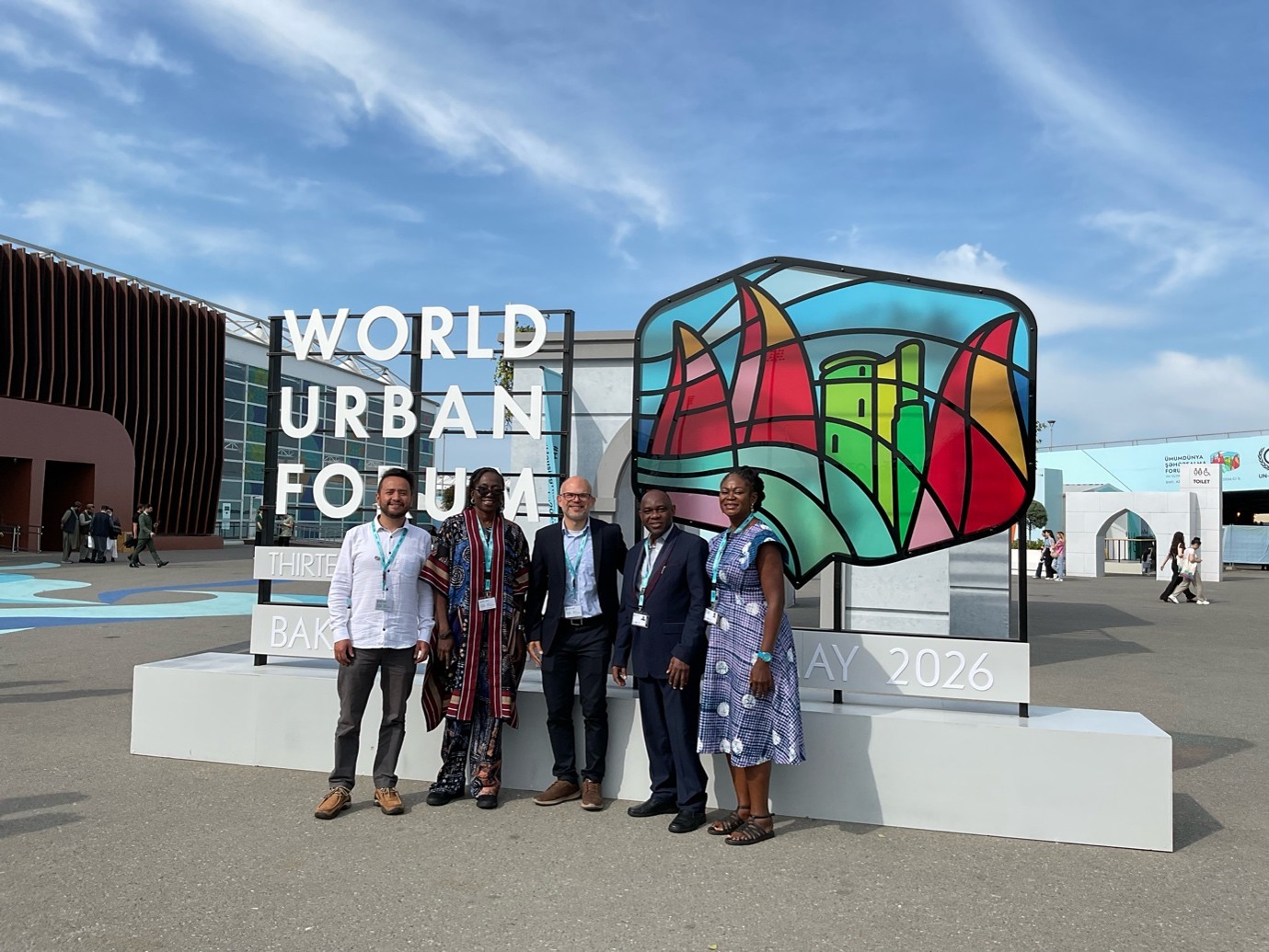
UBDC presents at the World Urban Forum 2026
The Urban Big Data Centre and Partners had a remarkable participation at the latest Would Urban Forum (WUF) in Baku, Azerbaijan. Within the topic “Housing the world: Safe and resilient cities and communities”.
Jointly funded by
%20copy.avif)
.avif)
